Wedding Trends 2026: What's In, What's Out, and What's Timeless
We've noticed that something is shifting in how couples are thinking about their weddings. Not a dramatic rupture, but a steady, quiet reorientation — away from spectacle and toward meaning, away from the performance of a wedding and toward the experience of one.
The trends emerging most clearly in 2026 are less about aesthetics — though the aesthetics have never been more considered — and more about intention. What do we actually want this day to feel like? Who do we want in the room? What will we remember in twenty years?
Here is what we have noticed is shaping weddings in 2026, and what it means if you're planning one.
What's In...
Smaller guest lists — by design, not default: The micro-wedding — typically defined as 20–50 guests — has matured from a pandemic necessity into a genuine preference. Couples who have attended large weddings and experienced the blurred, overwhelming quality of a 200-person day are choosing something different for themselves. Fewer guests means more time with each one. It means a dinner that feels like a dinner rather than a banquet hall event. It means remembering the faces around you. At Whispering Springs, the intimacy of the Forest Chapel and the property's natural boundaries make smaller weddings not just possible but exceptional. Your wedding becomes a gathering of your nearest & dearest, not an endless guest list.
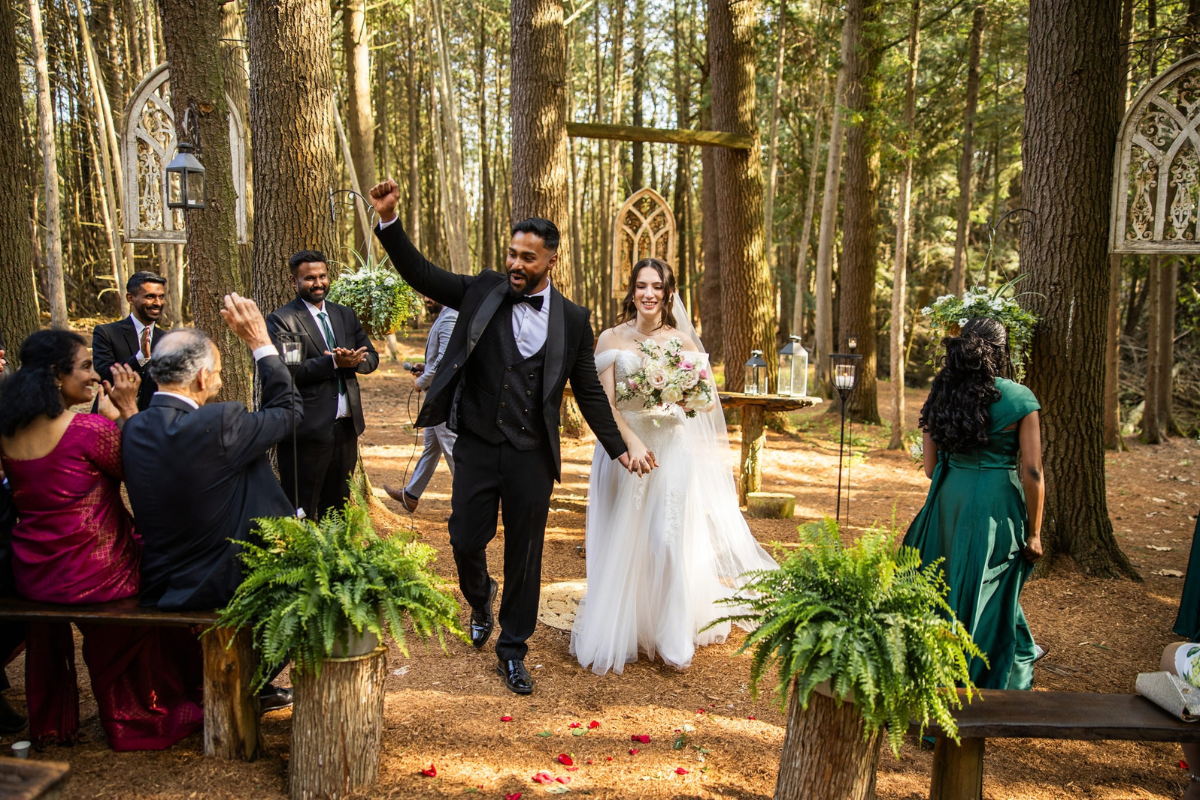
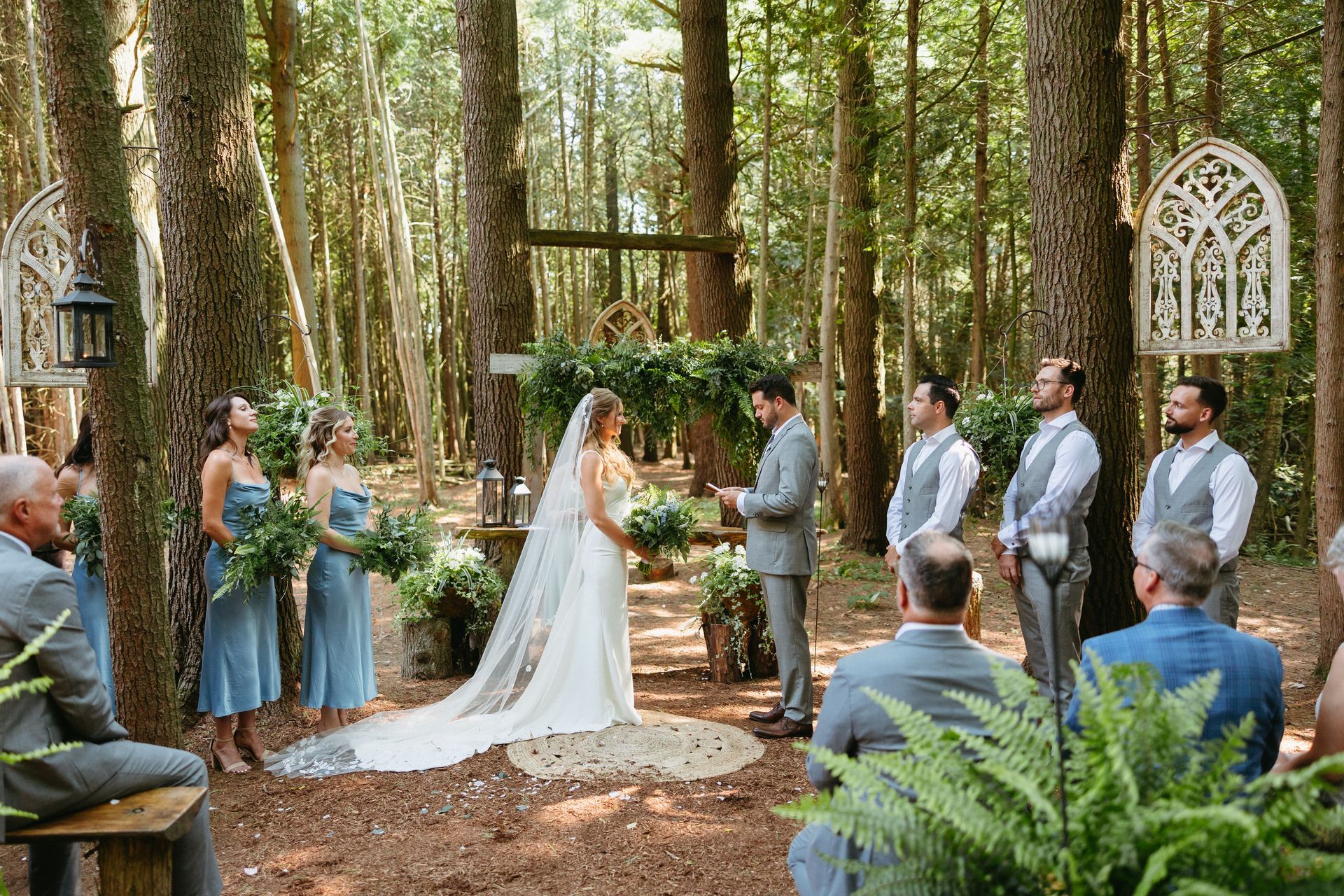
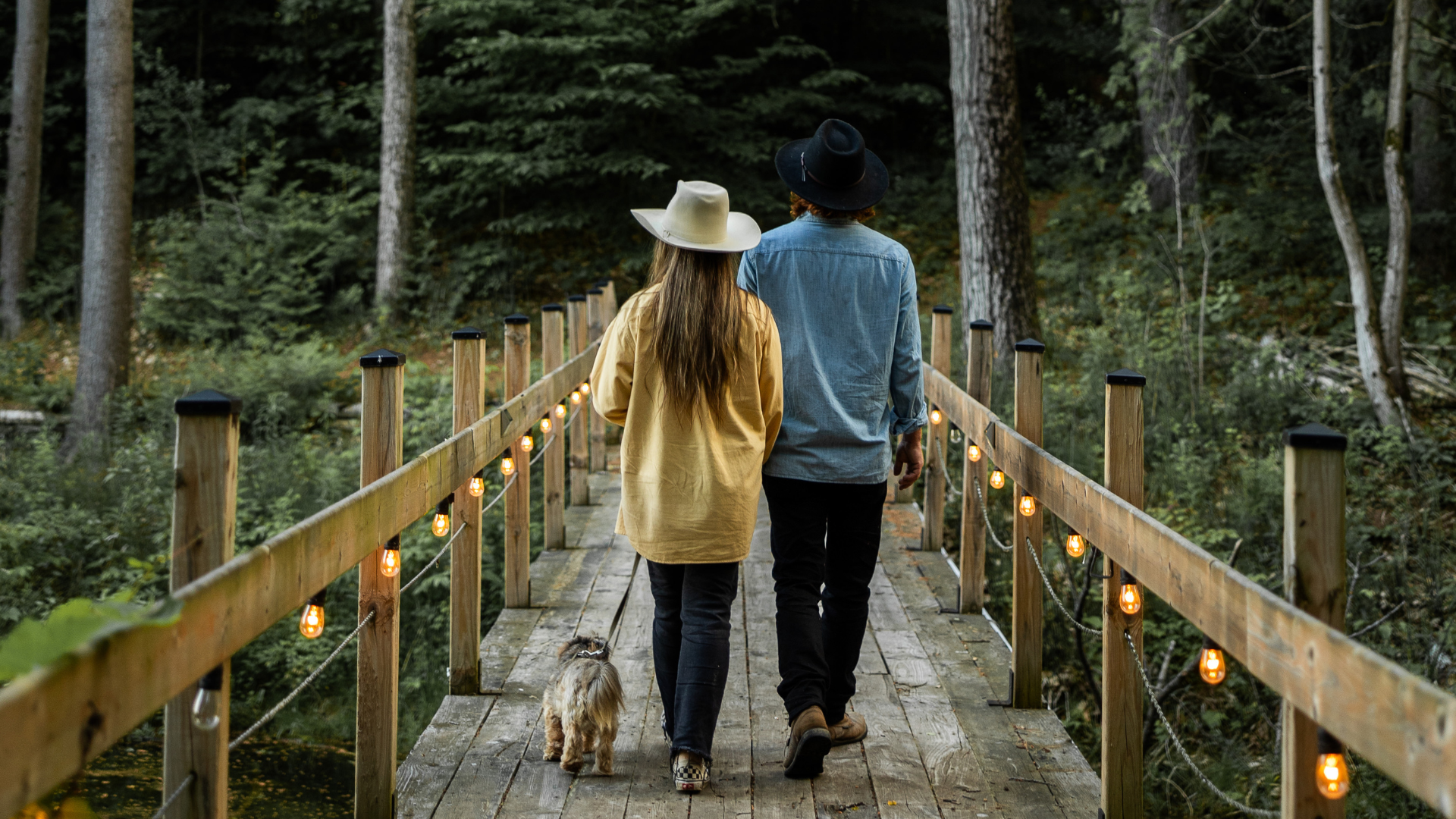
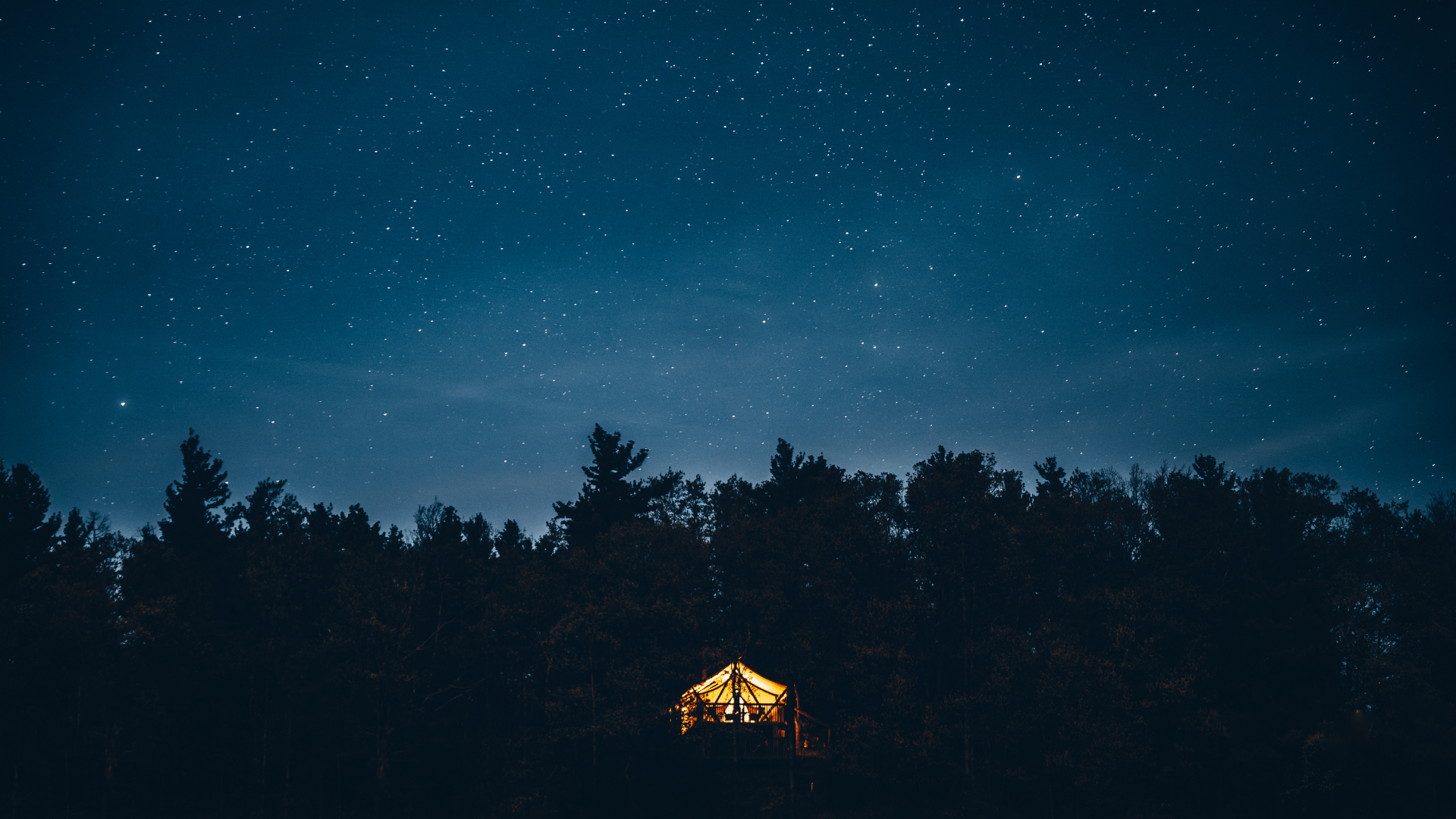
Outdoor and wilderness venues: The shift toward outdoor venues has moved well past trend status — it's now a sustained preference that shows no signs of reversing. What has evolved is the quality of what couples are looking for outdoors. Generic garden venues feel dated. What's in demand in 2026 is genuine wilderness: old-growth forests, open water, the kind of landscape that photographs like nothing a banquet hall could replicate and feels, on the day, like you wedding is a part of nature.
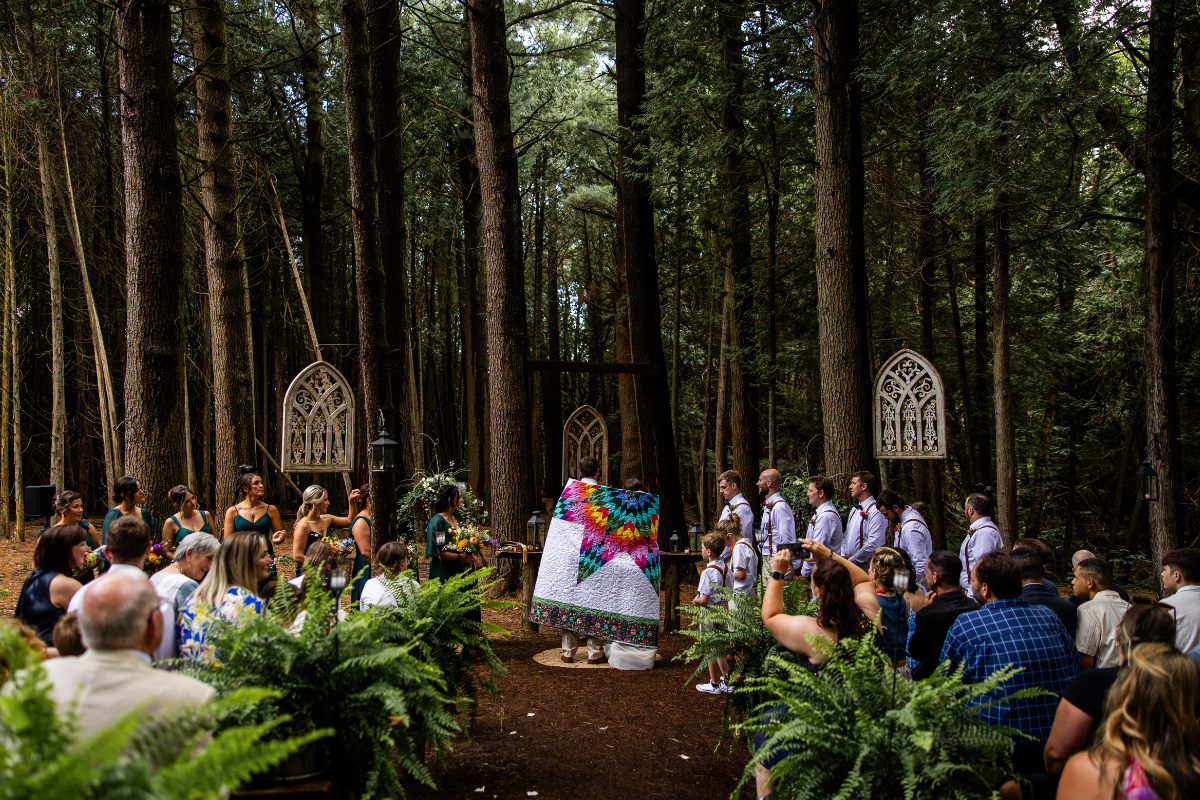
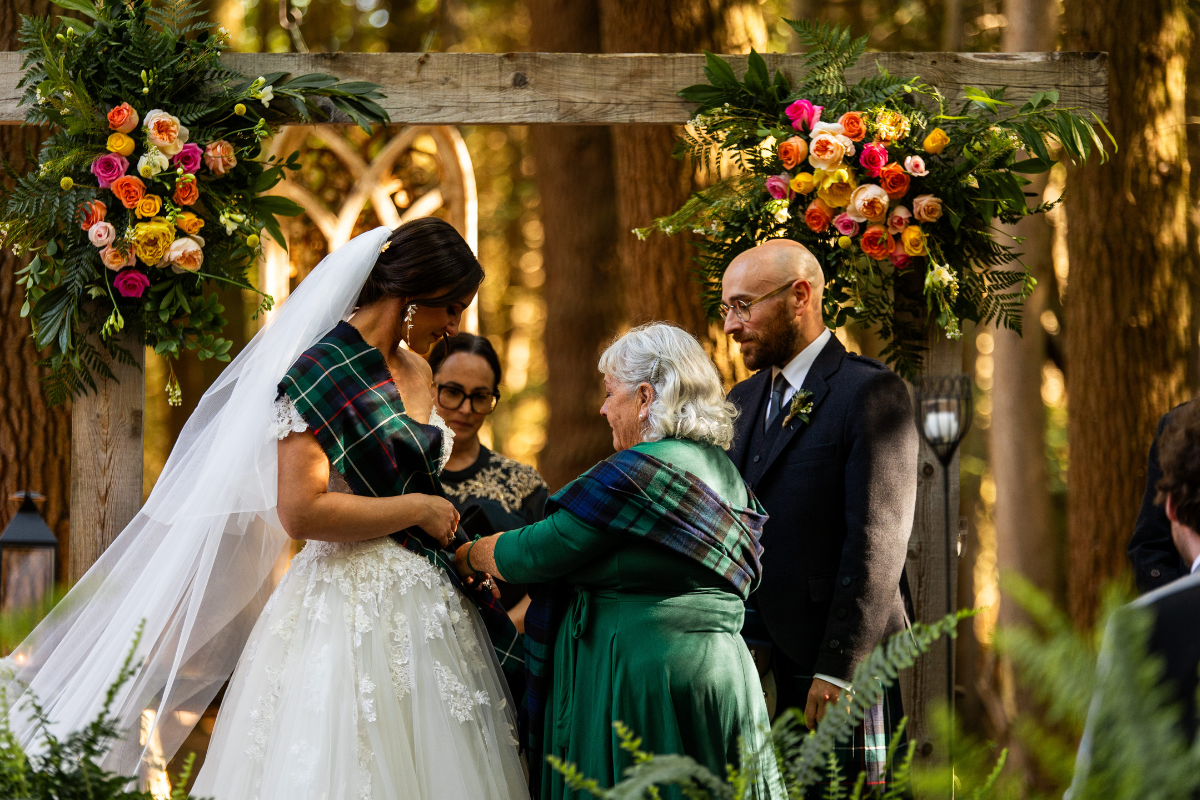
Meaningful rituals over standard scripts: Couples in 2026 are pushing back against the template ceremony — the off-the-shelf vows, the predictable processional. What's replacing it is more personal and more time-consuming to create, but the results are ceremonies that guests actually talk about afterwards. Hand-fasting, unity rituals, wine ceremonies, the inclusion of culturally specific traditions, vows written from scratch — these are no longer the exception.
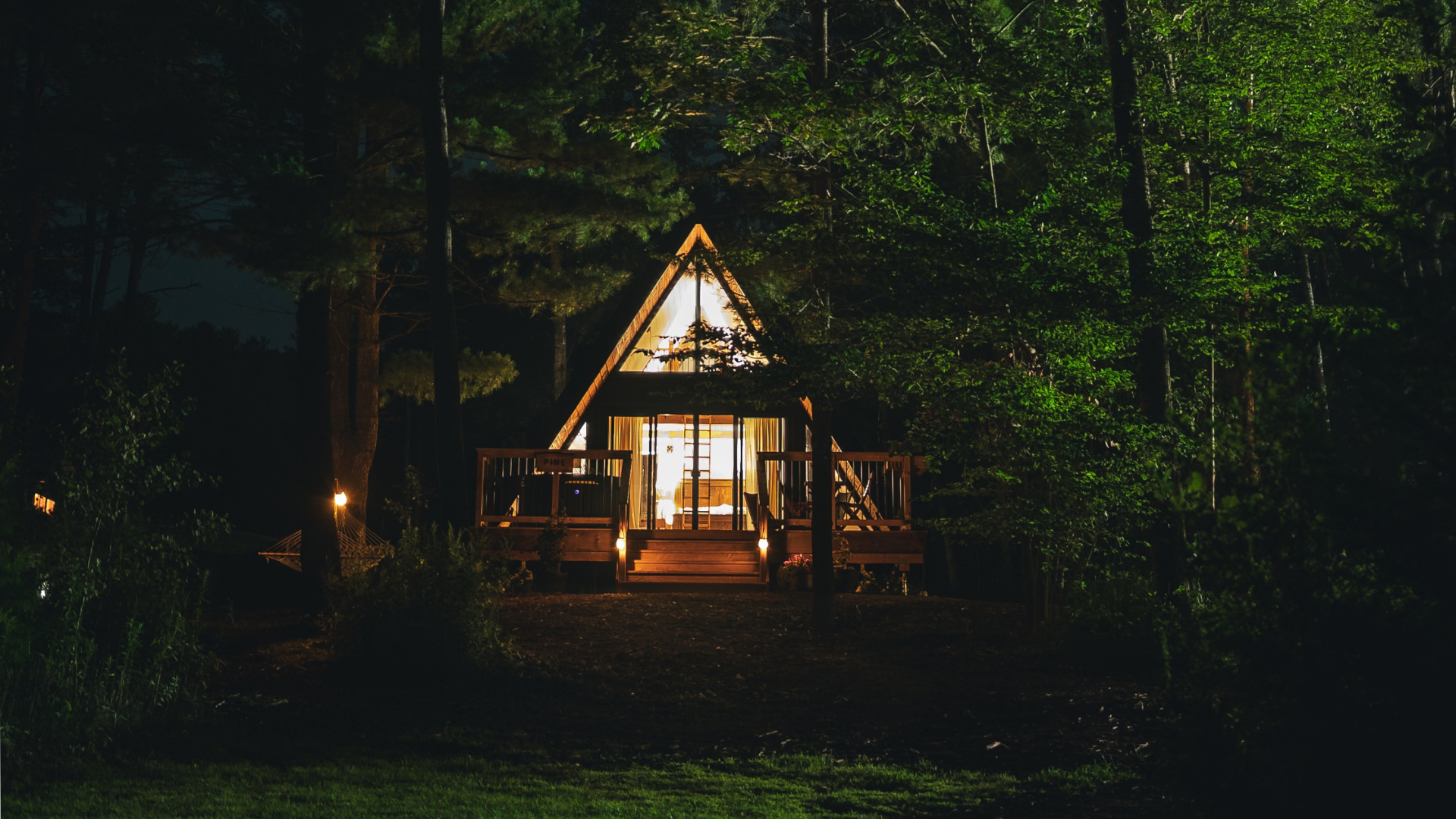
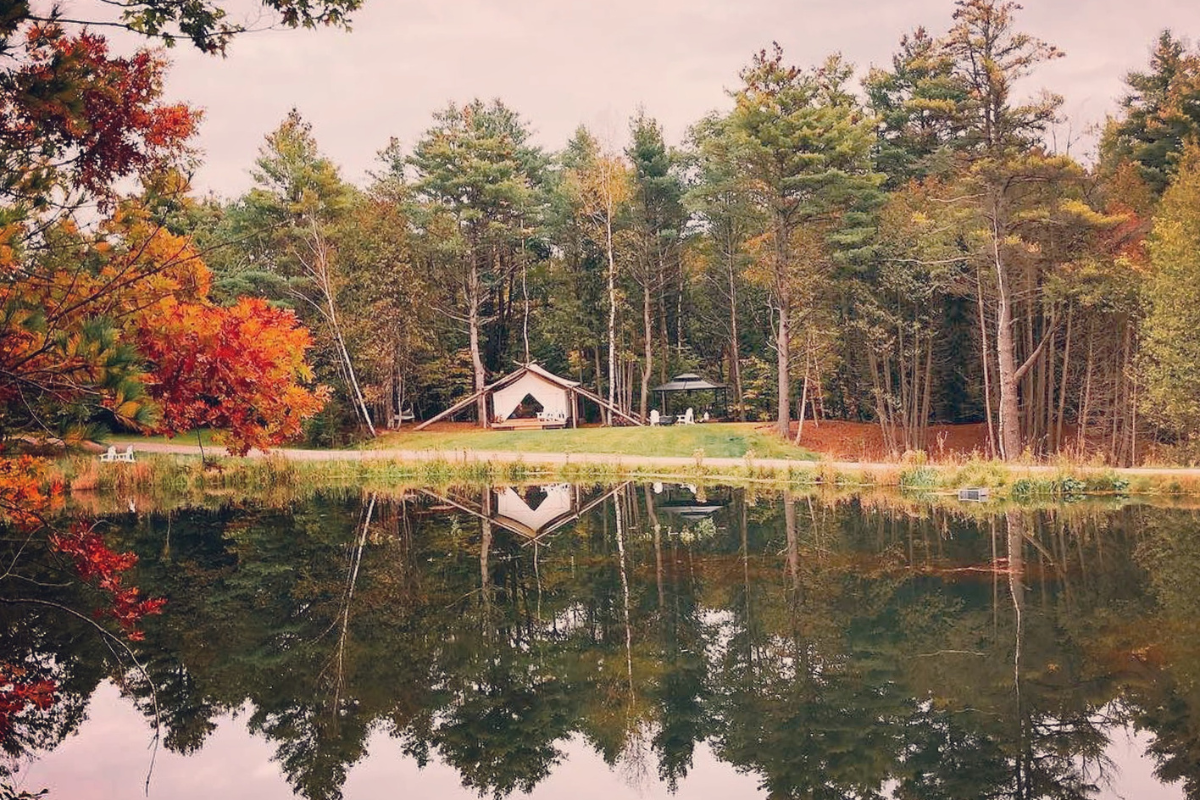
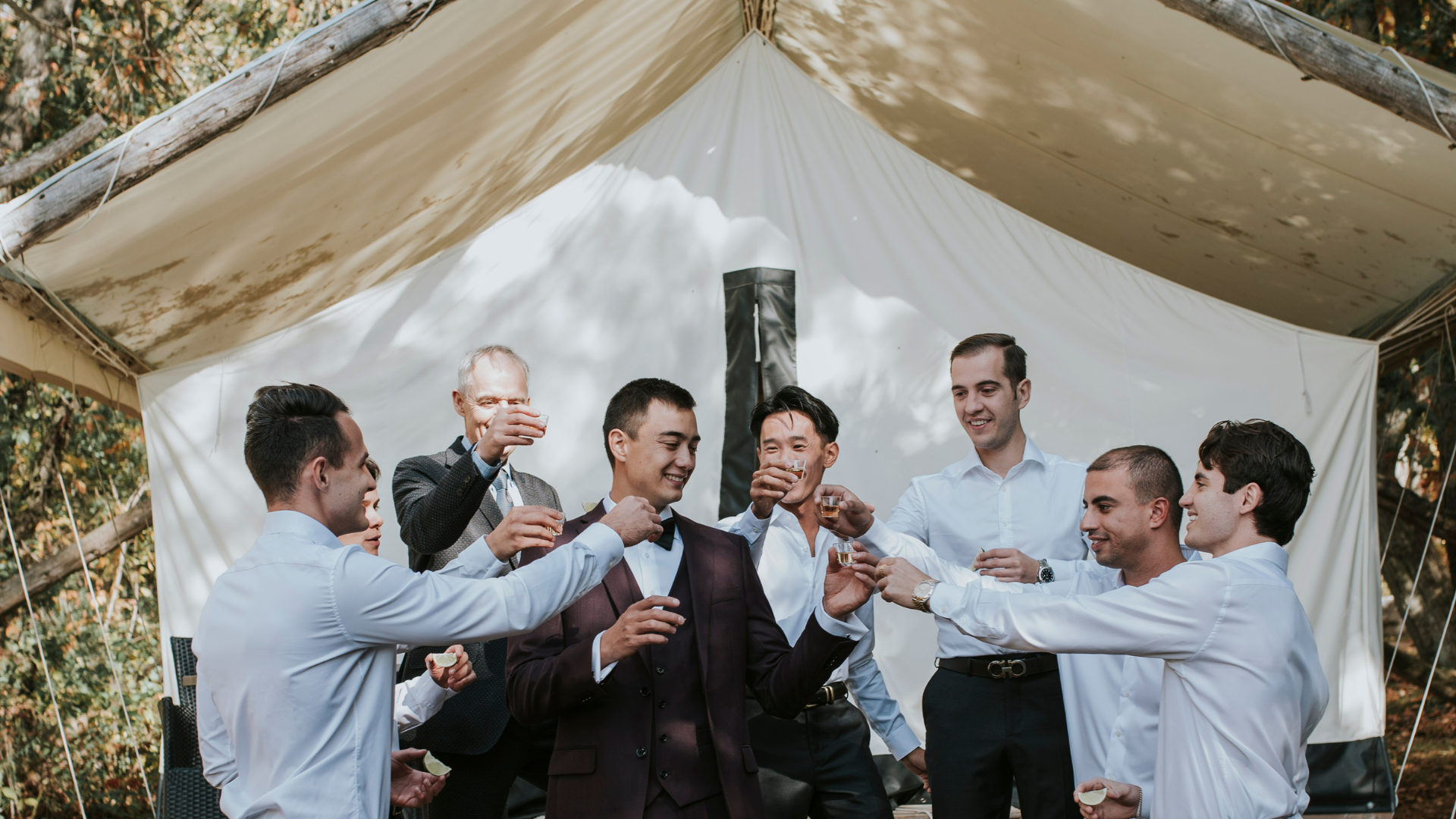
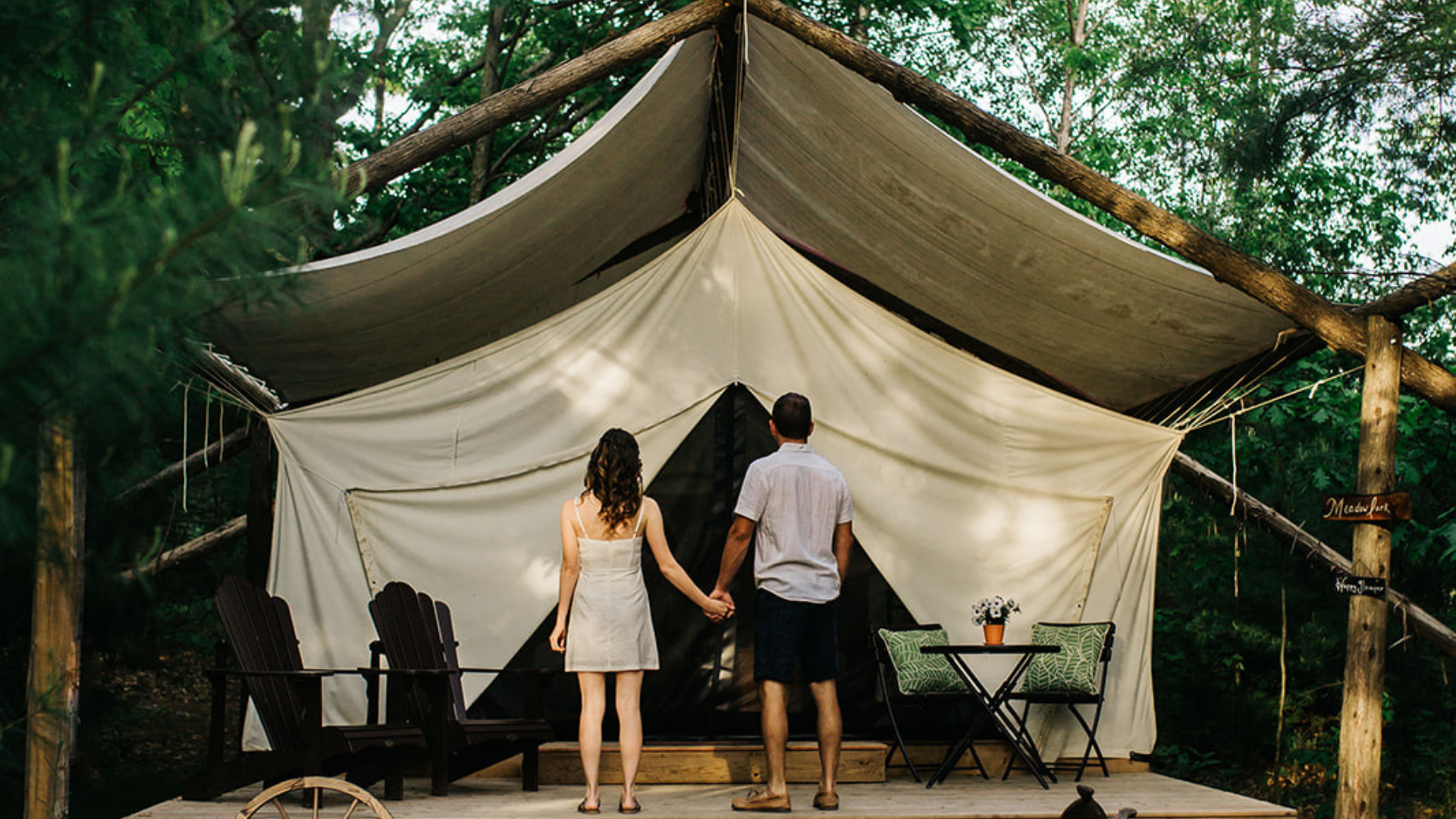
Extended celebrations: The single-day wedding is giving way to something more generous. Couples are choosing venues — often destination or glamping venues — where their guests can stay overnight and the celebration extends across a full weekend. Friday arrival, Saturday ceremony, Sunday brunch. The wedding becomes a shared experience rather than a single event. Guests arrive as guests and leave as something closer to a community. At Whispering Springs, this is one of the property's genuine strengths. The range of accommodation — safari tents, treetop units, A-frame cabins, the Chalet — means wedding parties and guests can stay on-site across a full weekend, and the property's 200 acres of forest gives everyone space to decompress between events.
Intentional unplugging: Unplugged ceremonies — where guests are asked to put their phones away and be present — are increasingly the norm rather than the exception. Some couples extend this to the whole weekend. The reasoning is straightforward: the most meaningful photographs come from a professional who planned for the light and the moment. The most meaningful memory comes from actually being in the room. These two things are incompatible with a row of phones raised at the altar.
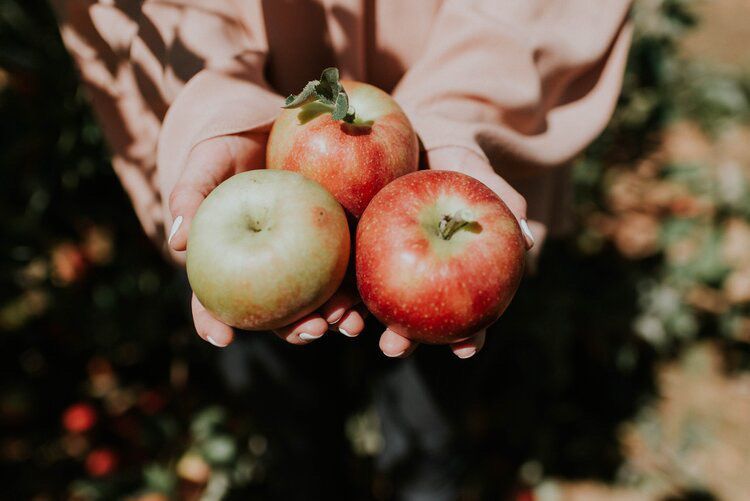
Sustainable choices woven naturally into the day: Environmental intentionality in 2026 looks different from the forced aesthetic of a few years ago. It's less performative: locally sourced florals, in-season menus, venues with genuine eco-credentials. For couples marrying at a property like Whispering Springs — where the eco-luxury ethos is embedded in how the land is managed rather than bolted on as marketing — this aligns naturally.
What's Out...
The marathon reception: Twelve-hour wedding days with three outfit changes, a seven-course dinner, and a DJ playing until 2am are losing their appeal — particularly among couples in their late twenties and thirties who have been to enough of them to know how they feel on the other side. The movement is toward shorter, more intentional receptions where every element earns its place.
Overly coordinated wedding parties: Matching bridesmaid dresses in identical shades of blush — the aesthetic that defined a decade of wedding imagery — has given way to something more relaxed. Complementary palettes, individual silhouettes, personal styling. The shift reflects a broader move away from the wedding-as-production-design and toward the wedding-as-gathering-of-actual-people.
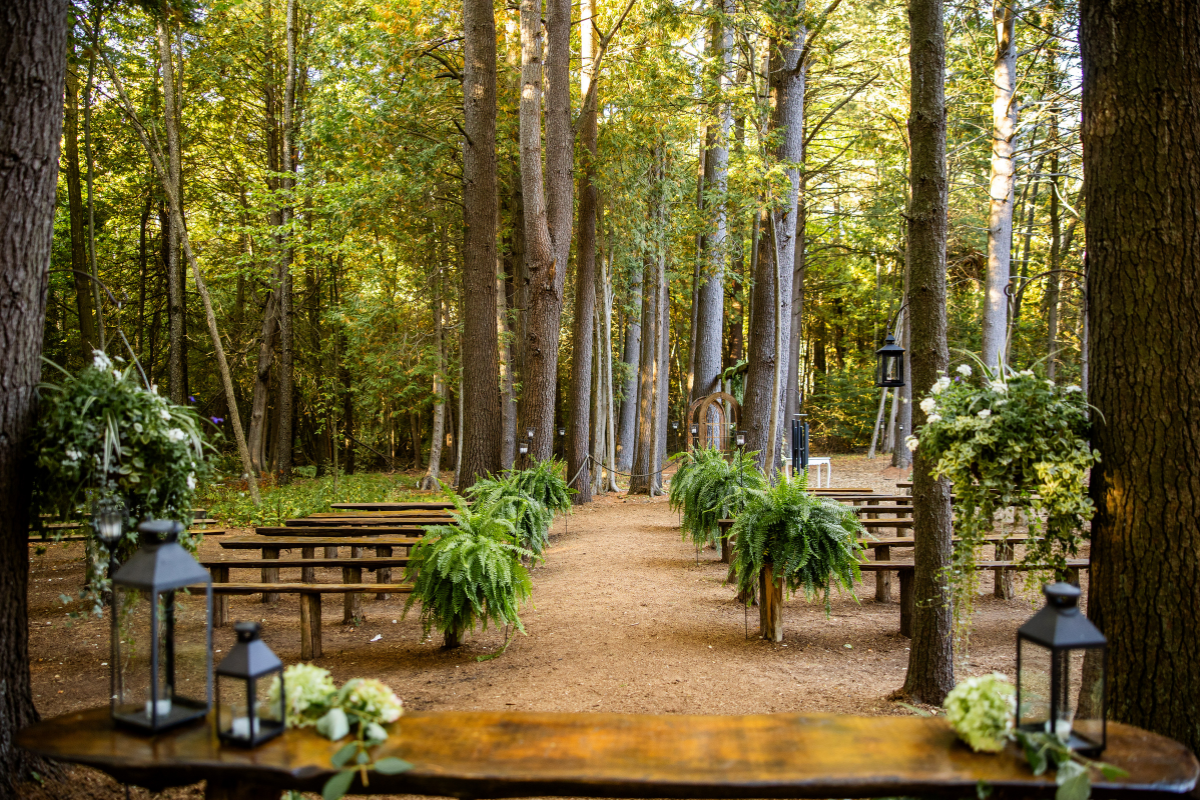
Generic venues: If it could be any wedding in any city in any year, it's the wrong venue. Couples in 2026 are looking for specificity — places that have a character, a story, a landscape that could not be anywhere else. A forest chapel in a 200-year-old stand of trees in Northumberland County is not generic. A hotel ballroom, however beautifully dressed, is.
The gift registry as obligation: Registry culture is softening. More couples are requesting contributions to a honeymoon fund, a charitable donation, or simply requesting that guests bring nothing but themselves. For weddings at intimate venues, this often feels more aligned with the spirit of the day.
What's timeless...
Some things don't trend because they don't need to...
The first look: That moment — whenever it happens and however it's arranged — when two people see each other before the ceremony. It never stops being what it is.
Flowers: The form changes, the palette evolves, the trend moves from garden roses to dried grasses to wildflowers and back again. But flowers at a wedding are permanent. They are one of humanity's oldest ways of marking significance.
Dancing: The first dance is not going anywhere. Neither is the last song of the night.
Vows that mean something: Template vows have their place, but the couples who write their own — even imperfectly, even nervously — create the moment that gets talked about at every anniversary dinner for decades.
A sense of ceremony: Whatever form it takes, whatever the setting, the thing that makes a wedding a wedding rather than a party is the weight of the moment at the centre of it. That is timeless.
Planning Your Wedding at Whispering Springs
The Forest Chapel at Whispering Springs sits in a natural clearing surrounded by old-growth forest on the property's 200 acres in Northumberland County. It is one of the most distinctive wedding ceremony spaces in Ontario — not because it was designed to impress, but because it exists within a landscape that was simply allowed to become what it wanted to be.
The Reception Pavilion provides a covered event space for ceremonies and receptions in any weather. The property's accommodation — across safari tents, treetop units, A-frame cabins, the Whisper Cabin, and the Chalet — means wedding parties of varying sizes can stay on-site.
Frequently Asked Questions
What are the biggest wedding trends in 2026? The dominant themes are intimacy, intention, and outdoor settings. Micro-weddings with guest lists under 50, wilderness and forest venues, personally written vows, extended weekend celebrations, and unplugged ceremonies are all shaping how couples are approaching the day.
Is the micro-wedding trend still strong in 2026? Yes — and it's matured beyond its pandemic origins. Many couples are choosing smaller guest lists because the experience of a more intimate wedding is genuinely better, not because they're constrained by circumstance.
What makes a forest wedding venue right for 2026 trends? Forest venues deliver on the two things couples are prioritising: a setting that is specific and irreplaceable, and an outdoor environment that feels genuine rather than constructed. A clearing among old-growth trees is the opposite of generic.
When should we book a 2027 wedding at Whispering Springs? As soon as possible. Popular dates — particularly September and October weekends — book well in advance. We recommend enquiring 12–18 months ahead.
Photos by Love Photos Photography