Something Borrowed, Something New: The Meaning Behind Wedding Traditions
Every wedding contains layers of history that most guests never think about. The bouquet the bride carries. The ring on the fourth finger. The first dance that opens the floor. The rhyme that someone's mother whispered while helping with the veil. These things feel natural, even inevitable — as though they simply belong to weddings the way sunsets belong to evenings.
They don't, of course. Each one has an origin, usually strange, occasionally unsettling, and almost always more interesting than the sanitised version that survived into the present. Understanding where wedding traditions come from doesn't diminish them. If anything, knowing the real story makes the gesture more intentional — which is what the best modern weddings are trying to be.
Here is the real history behind six of the most enduring wedding traditions, and how couples are making them their own in 2026.
Something Old, Something New, Something Borrowed, Something Blue
The rhyme is so familiar that most people don't notice it contains a fifth line. The full version, which originated in Victorian England, reads: Something old, something new, something borrowed, something blue — and a silver sixpence in her shoe. The saying has superstitious origins. The list of "somethings" was meant to be a recipe for warding off the evil eye — a genuine concern in Victorian England, where superstition and ceremony were thoroughly intertwined. The sixpence represented financial security for the new couple and was typically provided by the bride's father.
Each element carried specific meaning:
Something old — continuity with the past. By including an old item in the wedding, the bride symbolically maintains a connection with her family as she enters married life. Often, the selected item holds a link to her maternal figures. In practice: a grandmother's brooch, a mother's pearl earrings, a great-aunt's handkerchief.
Something new — optimism for the future. Something new represents the couple's hope and commitment to their new life together. This is typically the easiest item to source — the dress itself often fulfils it.
Something borrowed — the borrowed item usually came from an already happily married family member or friend. The tradition held that the happiness would transfer to the bride and stay with the couple for years to come. It was also a practical acknowledgement that the bride would need her community around her in the years ahead.
Something blue — blue was associated with love, purity, and fidelity as far back as ancient Rome, and is the signature colour of the Virgin Mary in the Christian tradition. Before the late 19th century, blue was actually a common colour for wedding gowns. White became dominant after Queen Victoria wore it in 1840 — which means something blue predates the white dress by centuries.
How couples are making it their own in 2026: The tradition has expanded well beyond the bride. Two grooms can borrow their grandfathers' cufflinks or wear matching blue ties. Bridesmaids can serve as the something blue. The items don't need to be visible — a blue note written inside a shoe, a pressed flower from a grandmother's garden stitched inside a hem. The spirit of the tradition is connection, not compliance.
The Wedding Ring
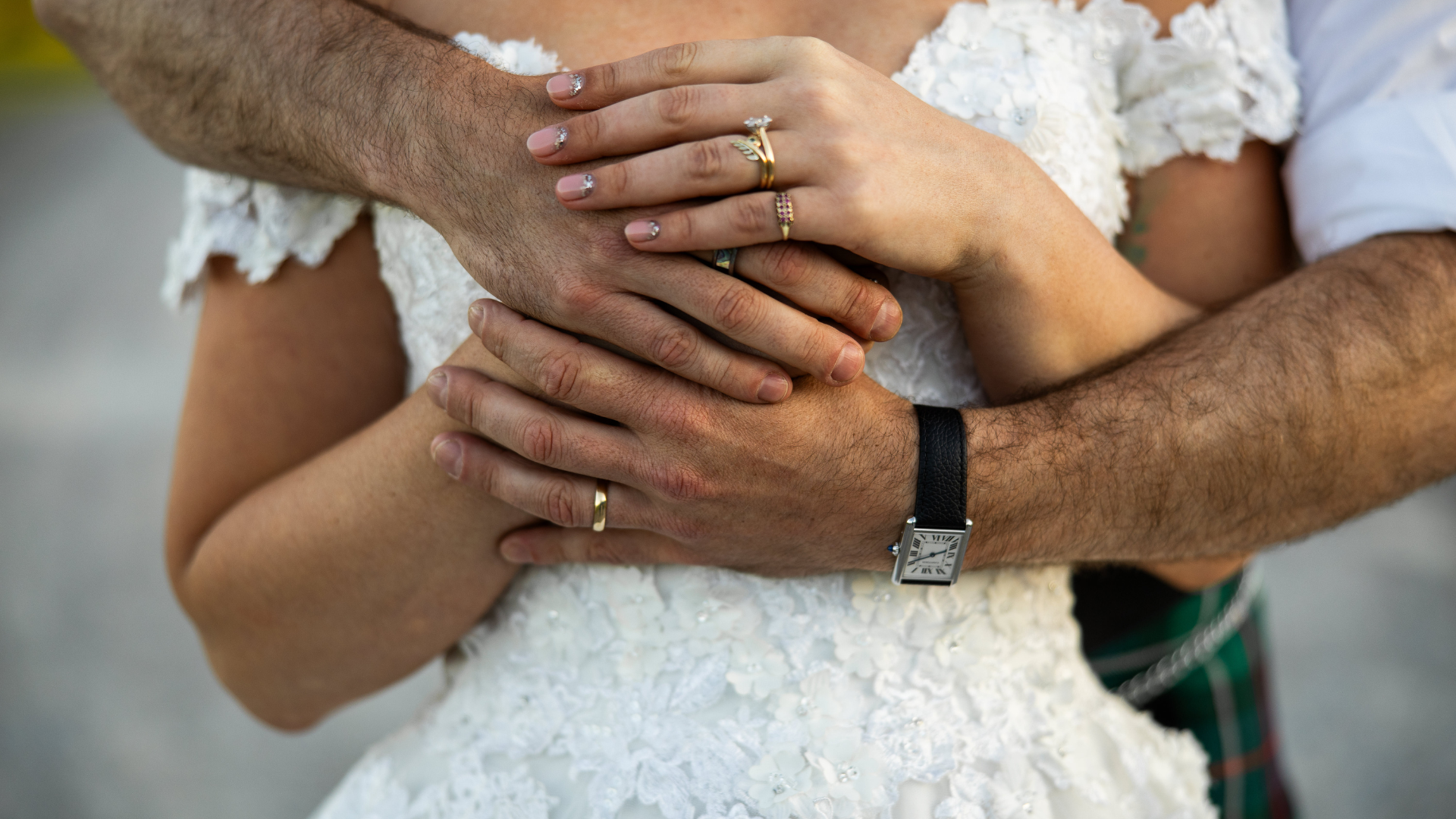
The tradition of exchanging rings dates back to ancient Egypt, where the circle was a symbol of eternity. The Romans adopted this practice, which eventually became a standard part of Christian wedding ceremonies. Rings were placed on the fourth finger of the left hand because it was believed that a vein in this finger ran directly to the heart.
That vein — the vena amoris, the vein of love — doesn't actually exist. Anatomically, the fourth finger has no special connection to the heart. But the belief persisted for centuries and the placement of the ring remained. What began as a superstition became a universal gesture of commitment so familiar that questioning it feels almost beside the point.
The Egyptians originally made rings from woven hemp, which constantly wore out and needed replacement. Romans moved to iron. Gold became the standard later, chosen as a symbol of what is pure and lasting.
How couples are making it their own in 2026: Many couples now choose rings that reflect shared hobbies, family history, or personal values rather than simply following trends.. Wood inlay rings are popular for outdoor and forest weddings specifically — the material echoing the setting. Some couples choose rings with stones from meaningful places. Others have their vows engraved inside the band, visible only to them.
The Wedding Bouquet
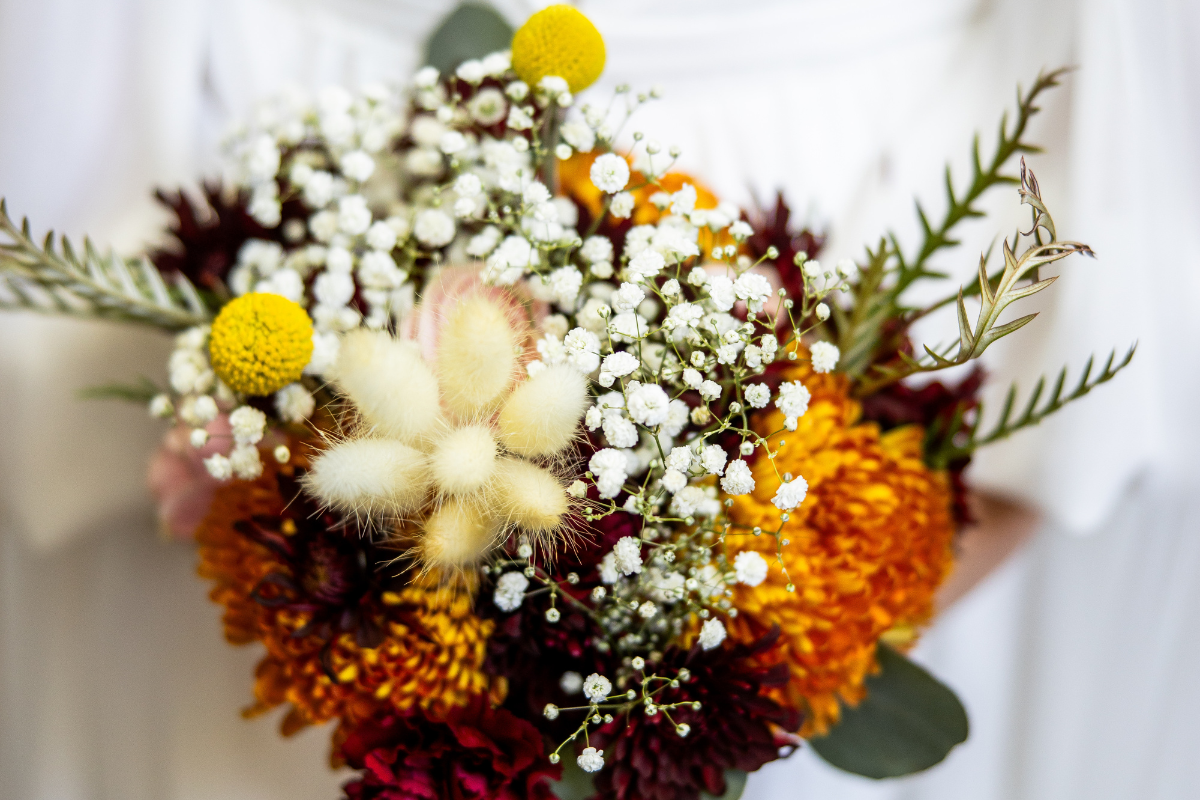
The bouquet has changed considerably since its origins. Wedding bouquets were once made of strong herbs such as thyme and garlic, meant to frighten away evil spirits. Over time, bouquets evolved into decorative arrangements, with different blooms carrying specific meanings — roses for love, lilies for purity, lavender for devotion.
The shift from herbs to flowers was gradual and largely Victorian. By the 19th century, the language of flowers — floriography — had become a sophisticated system for communicating sentiment, and a bridal bouquet was a carefully composed message held in the hands of the person walking down the aisle.
The bouquet toss has an even more colourful history. In the 14th century, brides were seen as symbols of good fortune. Guests would try to touch or tear pieces of the bride's clothing for luck, so throwing the bouquet was originally a way to distract the crowd while the bride made her escape. The person who caught it was considered to have caught a piece of the bride's luck.
How couples are making it their own in 2026: Many couples skip the bouquet toss entirely, particularly at intimate weddings where the gesture feels out of place. Others replace it with an anniversary dance — calling all married couples to the floor, then having them leave one by one until the couple married longest remains. Some brides carry a single stem rather than a full bouquet, or forage wildflowers from the property they're marrying on. At a forest wedding, the option to build a bouquet from the landscape around you — ferns, branches, wildflowers — creates something that couldn't exist anywhere else.
The First Dance
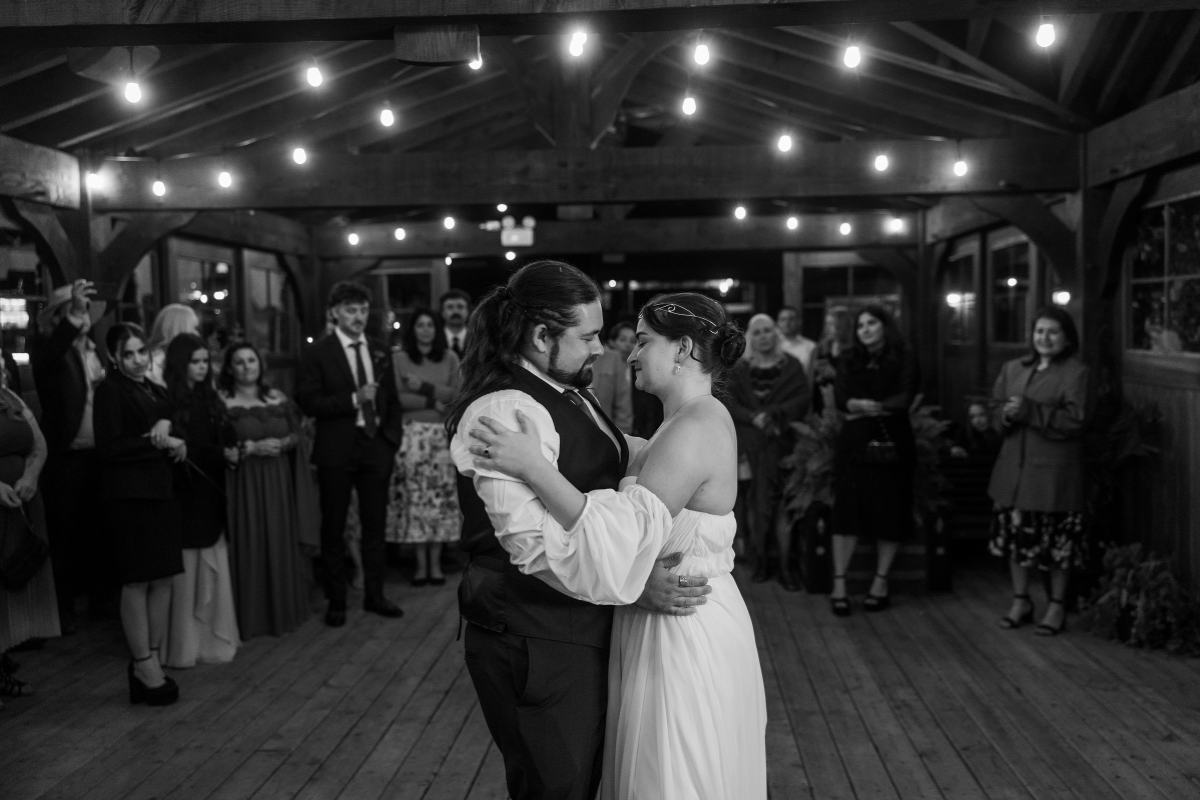
The roots of the first dance didn't originate in weddings. In the days of kings and queens, the first dance was used to open a ball or special event, led by the guest of honour — typically someone high on the social ladder or of royal descent. The tradition migrated to weddings as formal celebration became part of the ceremony structure, and the couple took the place of the royal guest of honour.
The modern first dance is usually understood as the couple's first public act as married people — the first song of the rest of their lives together, performed for the people who came to witness the beginning. It is one of the few moments in a wedding that requires nothing of the guests except to watch, which gives it a particular emotional weight.
How couples are making it their own in 2026: The choreographed surprise first dance — a slow song that breaks into something upbeat — became a cultural moment a decade ago and has mellowed into a more personal choice. Many couples now choose a song that means something specific to them rather than something that performs well on the dance floor. Others skip the formal announcement entirely and simply begin dancing. At an outdoor or forest wedding, where the atmosphere already carries its own meaning, a first dance under open sky or among the trees requires very little performance.
The White Dress
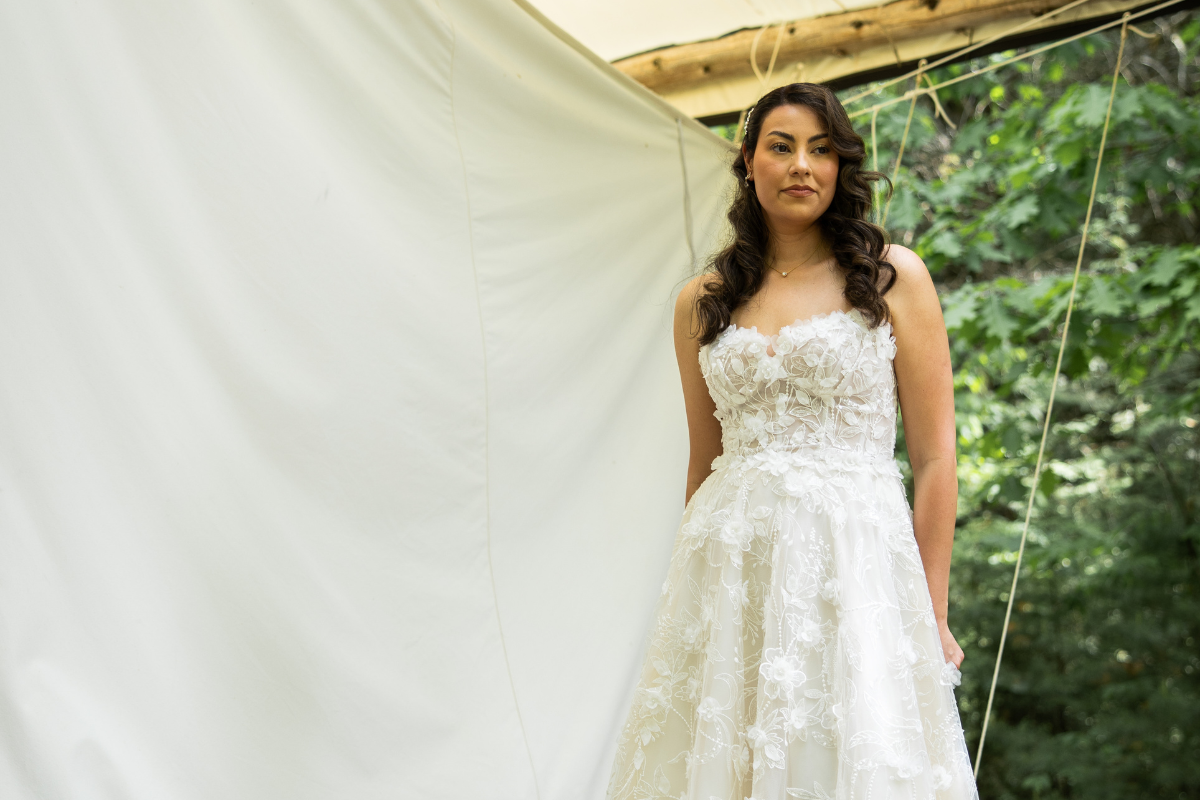
This is the newest major wedding tradition on this list, which surprises most people. The white wedding dress became standard after Queen Victoria married Prince Albert in 1840 wearing a white satin gown — before that, brides simply wore their best dress, in whatever colour they owned.
White was chosen by Victoria for practical reasons as much as symbolic ones — it showed off the elaborate lace work of the dress. But the association with purity and virginity attached itself quickly, and by the late 19th century white had become the expected colour for Western brides.
How couples are making it their own in 2026: The white dress is no longer required, and in 2026 it doesn't carry the social weight it once did. Ivory, champagne, blush, sage, and deep greens are all appearing at weddings. For forest and outdoor weddings specifically, a dress that responds to the setting — earthy tones, natural fabrics, something that looks like it belongs in a clearing among old-growth trees — often photographs and feels more authentic than stark white against a canopy of colour.
Saying Your Vows
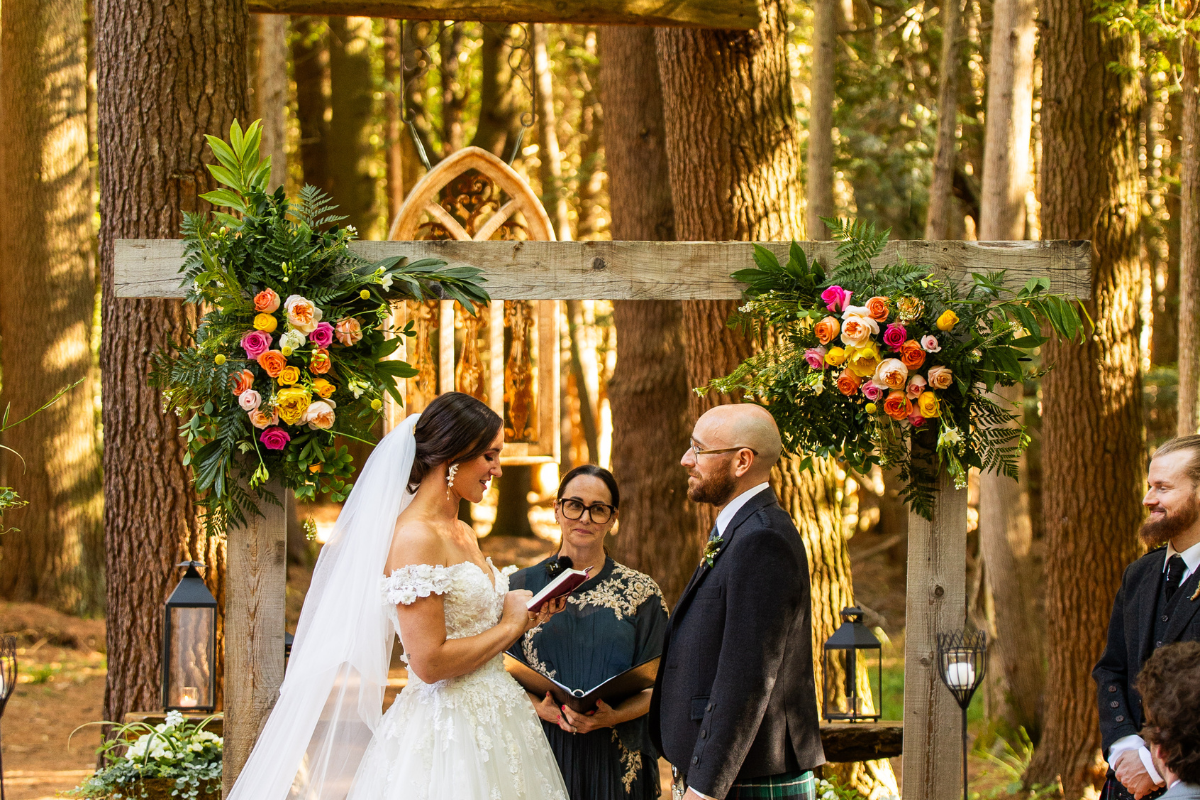
The formal exchange of vows — standing face to face, speaking promises aloud before witnesses — is one of the oldest elements of the wedding ceremony across virtually every culture. The specific words have changed across time and tradition, but the act itself has remained constant: a public declaration, witnessed by the community, of a private commitment.
The standard civil vow wording in Canada dates from the 19th century. Religious vows vary by tradition. What has changed in the last decade is how many couples are writing their own. Writing your own vows is arguably the most significant shift in how weddings are conducted in 2026. It requires couples to think carefully about what they actually want to promise — not what the template says, not what sounds nice, but what they genuinely intend to do for each other across a life. That process, undertaken seriously, often turns out to be one of the more meaningful parts of the wedding preparation.
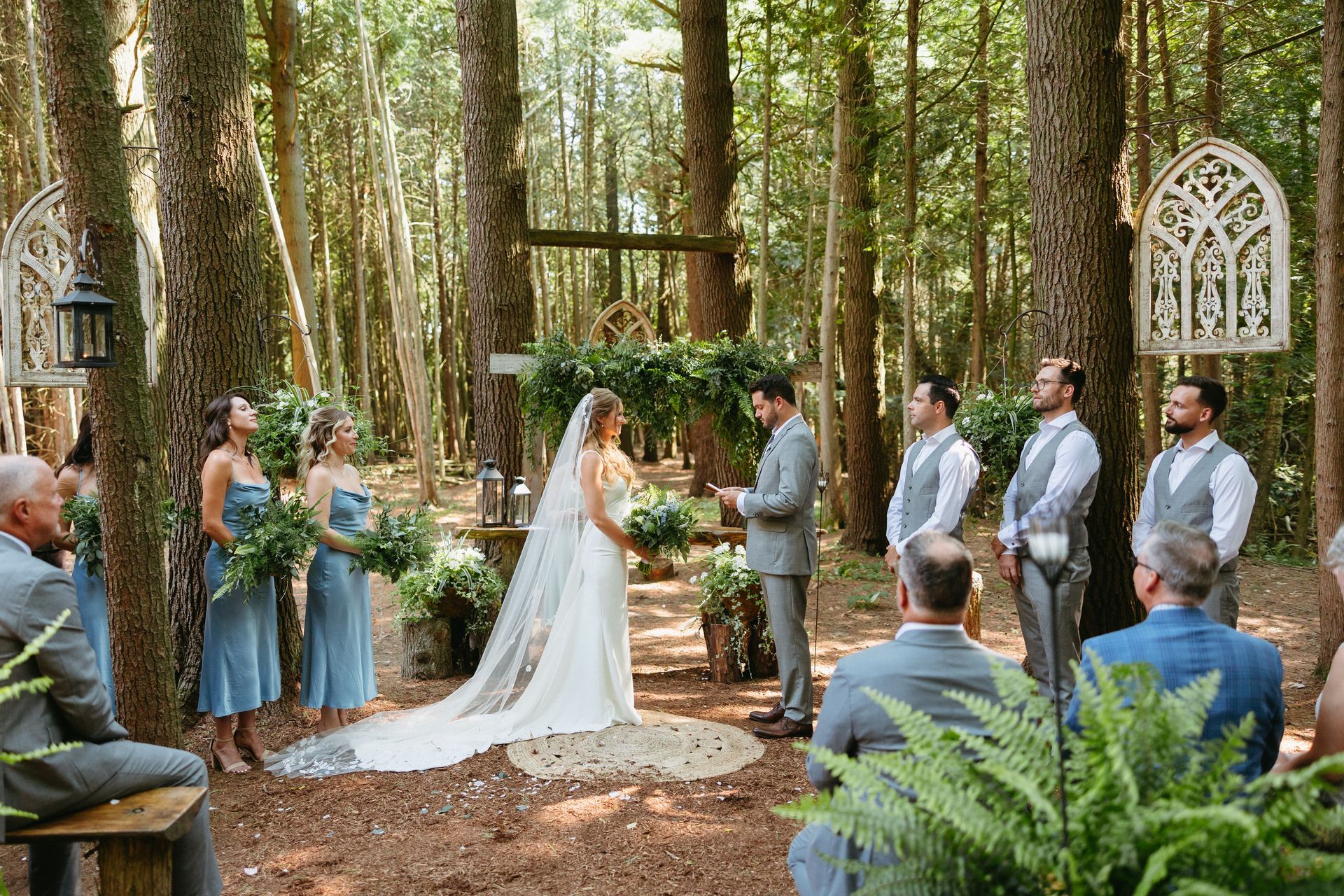
At a forest wedding, read aloud in a clearing beneath old-growth trees, personal vows carry a particular quality. The setting reduces the pressure of performance. There is something about genuinely old trees — trees that have been here through a hundred winters and will be here through a hundred more — that makes an honest promise feel appropriately weighted.
Making Traditions Your Own at Whispering Springs
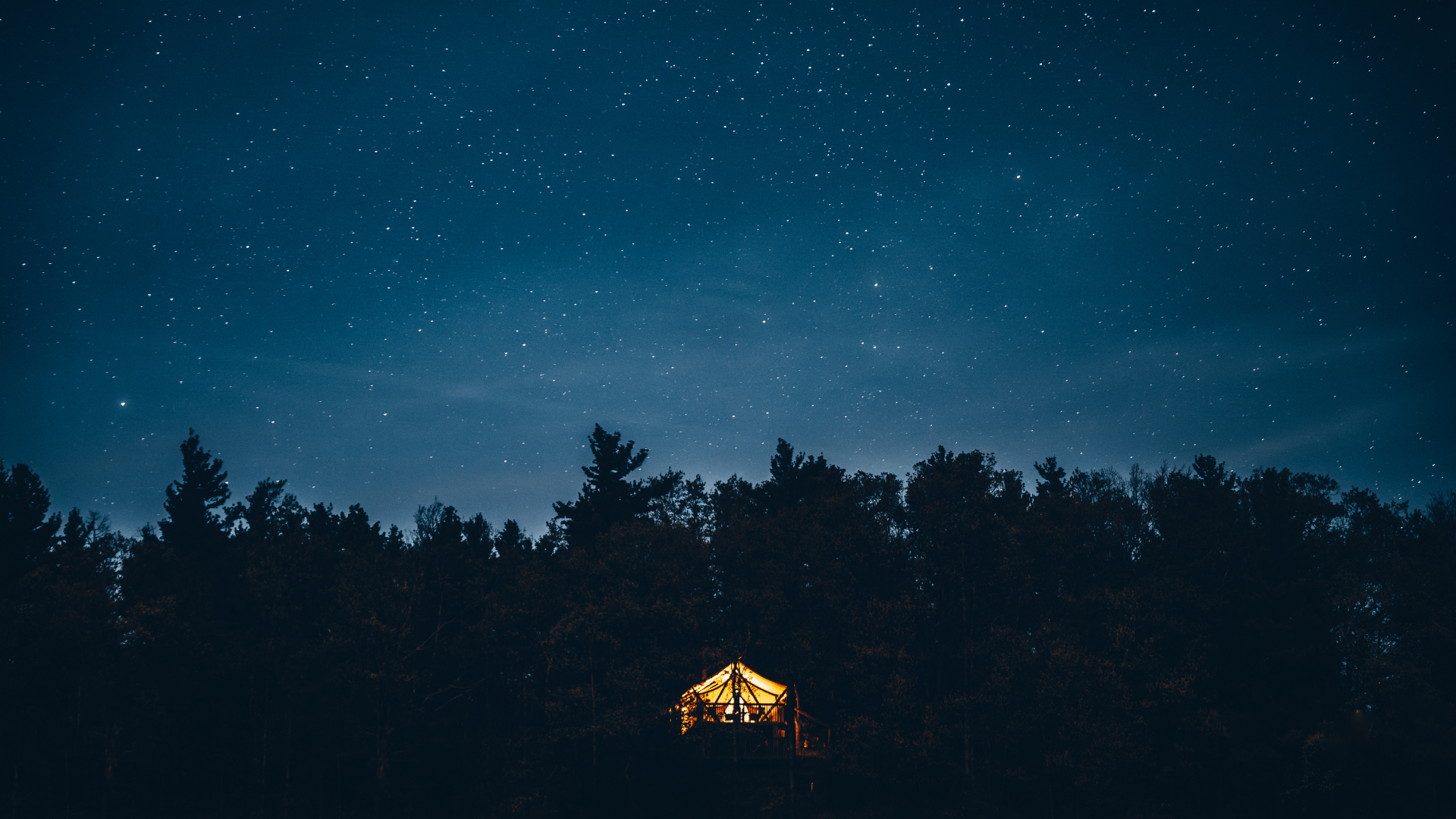
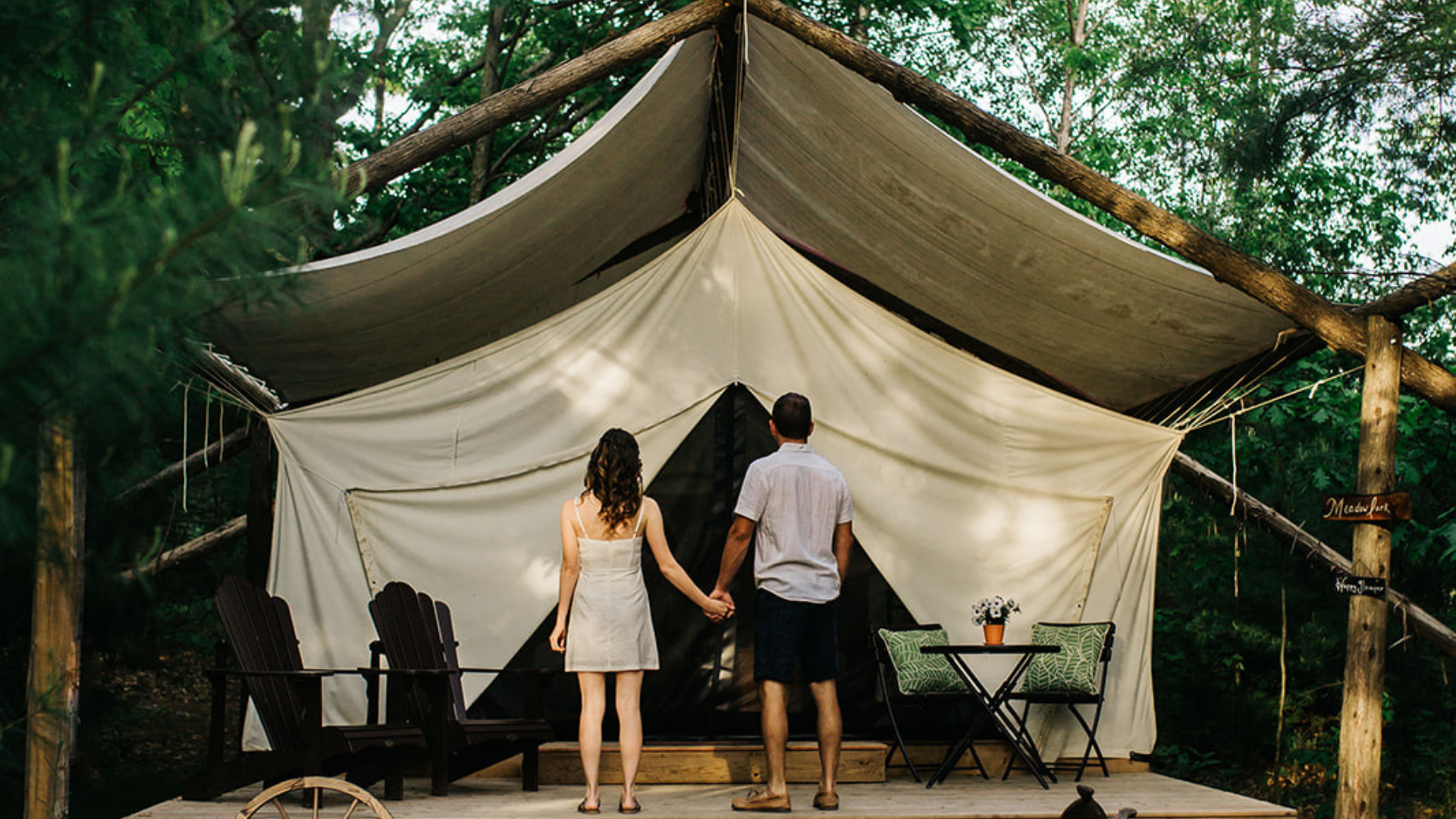
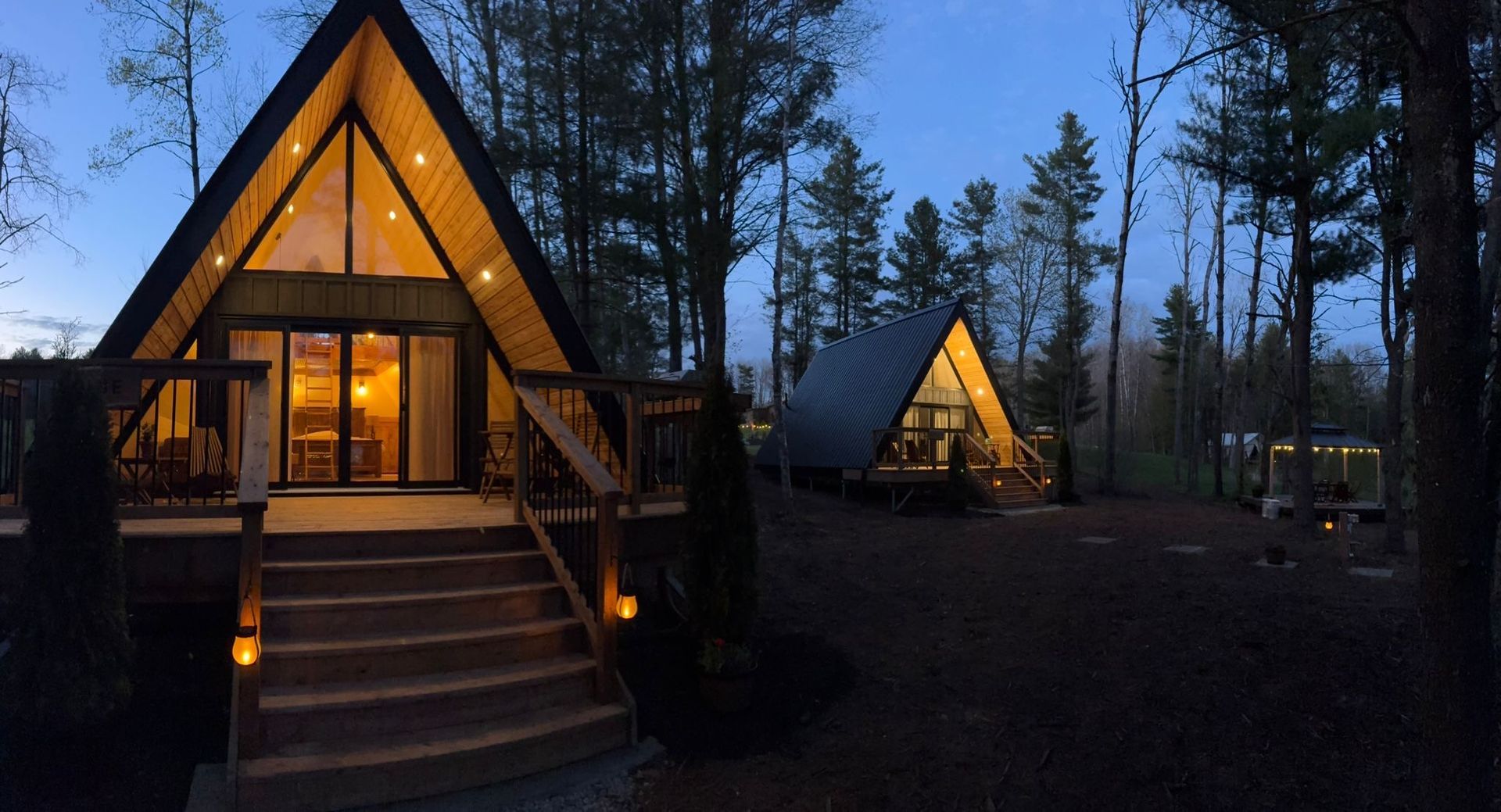
The Forest Chapel at Whispering Springs is a setting that holds tradition and individuality with equal grace. Couples who want a classical ceremony — all the traditions observed, the full script, the formal structure — find that the old-growth canopy amplifies every moment of it. Couples who want something more personal — written vows, a wildflower bouquet, a first dance under open sky — find that the forest provides exactly the backdrop that makes their choices feel considered rather than casual.
What the setting doesn't do is impose anything. It simply exists, beautifully, for whatever a couple brings to it.
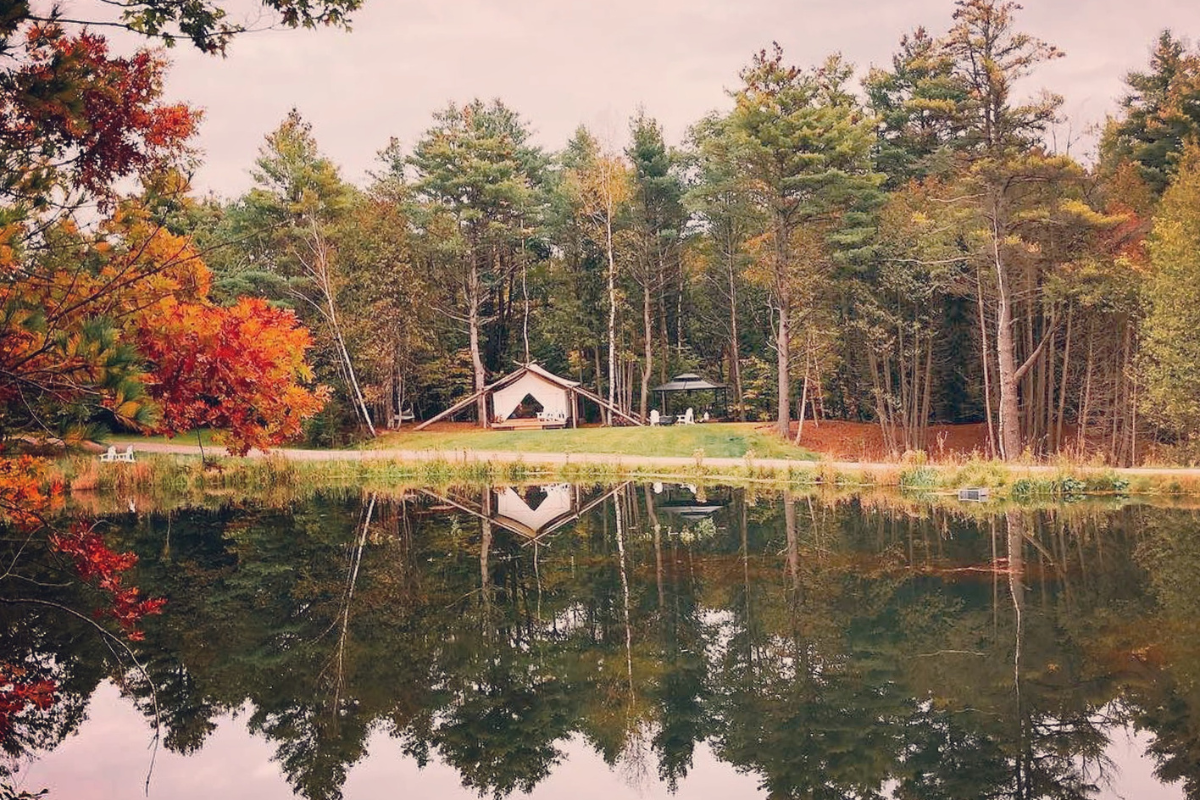
2027 and 2028 wedding dates are now being released. Our Wedding Open House is Sunday October 18th, 11–4pm — a chance to walk the Forest Chapel, meet the team and our preferred vendors, and see the property in peak autumn colour.
RSVP for the Open House: jenna@whisperingsprings.ca